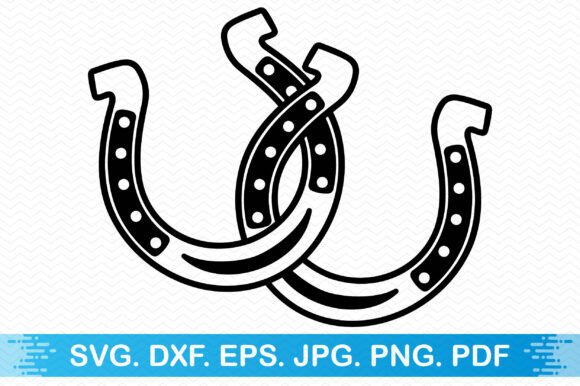
Double Horseshoe Clipart for Graphics and T-Shirt Designs
As a digital publisher and blog designer, I'm always on the lookout for high-quality graphic design assets that can elevate content visuals across multiple platforms. The Double Horseshoe Clipart offers a versatile set of design elements that can be used in real-world publishing scenarios, from blog graphics to editorial layouts and even t-shirt designs.
The First Impression: A Bold and Playful Visual Mood
When I first viewed the Double Horseshoe Clipart, I was struck by its clean lines and modern aesthetic. The design exudes a playful yet professional vibe, making it suitable for a variety of niches. It feels like it belongs in lifestyle, fashion, or creative content spaces where a touch of whimsy is welcome but not overwhelming.
This visual mood makes it ideal for content that aims to engage readers with a friendly and approachable tone. Whether you're creating a digital guide, a downloadable printable, or a social media post, the Double Horseshoe Clipart adds a sense of personality without being too flashy.
Real Publishing Use Cases for Double Horseshoe Clipart
The versatility of this graphic design asset shines through in its many potential applications. Here are some real-world publishing situations where it can be effectively used:
- Blog Featured Images: Add a striking visual to your article headers that grabs attention and reinforces your brand identity.
- Pinterest Pins: Create eye-catching pins that stand out in a crowded feed, driving traffic back to your site.
- Article Headers: Use it as a decorative element above your content to create a more engaging reading experience.
- Website Banners: Enhance your homepage or landing pages with a bold, recognizable design element.
- Newsletter Graphics: Make your email campaigns more visually appealing and consistent with your brand style.
- Lead Magnets: Incorporate it into downloadable resources like worksheets, checklists, or guides to make them more attractive.
- Social Media Posts: Use it as a background or accent in your posts to maintain visual consistency across platforms.
- Canva Templates: Integrate it into your design templates for quick and easy content creation.
How Double Horseshoe Clipart Boosts Content Performance
Using the right design assets can significantly impact how your content is perceived and engaged with. The Double Horseshoe Clipart contributes to stronger first impressions by adding a unique visual element that stands out in a sea of generic graphics.
It also helps in establishing a clear visual hierarchy, guiding readers' eyes through your content and making it easier to digest. This can lead to better click-through rates and improved reader trust, as polished visuals often signal professionalism and credibility.
For content marketers and affiliate publishers, this graphic design asset supports consistent branding across all platforms. Whether you're creating a digital product, a printable design, or a social media ad, having a cohesive look strengthens your brand identity and makes your content more memorable.
Where Double Horseshoe Clipart Works Best
This design asset excels in areas where visual appeal and brand recognition are key. Consider using it in:
- Hero Images: As a focal point on your website's homepage or landing pages.
- Article Thumbnails: To create compelling preview images for your blog posts.
- Pinterest Pins: For maximum visibility and engagement on the platform.
- Blog Graphics: As a background or border element to enhance your content layout.
- Editorial Accents: To add a touch of creativity to your editorial design projects.
- Content Upgrades: As part of your lead magnet or downloadable resource.
- Category Visuals: To distinguish different sections of your website or blog.
- Newsletter Headers: To make your emails more visually appealing and branded.
Where to Use It Carefully
While the Double Horseshoe Clipart is a powerful tool, it’s important to use it thoughtfully. Avoid placing it in:
- Small Mobile Thumbnails: It may lose clarity and become less effective on smaller screens.
- Text-Heavy Blog Images: It could distract from the main message if overused.
- Low-Contrast Backgrounds: Ensure there is enough contrast for readability.
- Busy Layouts: It may clash with other design elements if not properly balanced.
- Serious Professional Niches: Some industries may prefer a more minimalist or formal look.
- Corporate Content: It might not align with the tone of highly professional or corporate websites.
- Websites with Minimal Visual Systems: It could feel out of place if your design is very simple.
Publisher Notes: Testing and Optimization Tips
To get the most out of the Double Horseshoe Clipart, consider these practical tips:
- Test on Desktop and Mobile Screens: Ensure it looks good on all devices before finalizing its use.
- Check Thumbnail Quality: Preview it at small sizes to confirm it remains legible and appealing.
- Preview in Real Blog Layouts: See how it integrates with your existing design and content structure.
- Test with Headline Text: Ensure it complements your typography without competing with it.
- Check Contrast and Readability: Make sure the design doesn’t interfere with text legibility.
- Try in Black and White: Assess how it performs without color, which is useful for print or monochrome designs.
- Place Beside Different Font Styles: See how it pairs with serif, sans serif, script, handwritten, and display fonts.
- Review File Size: Optimize for web performance by compressing images when necessary.
- Confirm Commercial Licensing: Verify that it’s suitable for use on monetized sites, affiliate pages, or paid content products.
Final Thoughts: A Versatile Graphic Design Asset
The Double Horseshoe Clipart is a valuable addition to any content creator’s toolkit. Its clean, modern design makes it adaptable for a wide range of publishing needs, from blog graphics to editorial layouts and t-shirt designs.
Whether you're working on a digital guide, a social media campaign, or an affiliate marketing strategy, this graphic design asset can help you create more polished, engaging, and professional-looking content. With proper testing and thoughtful application, it can become a staple in your creative design workflow.